Reducing Latency in Conversational Voice AI: Techniques and Benefits
Dialynx Editorial Team ·
Introduction to Voice AI Latency
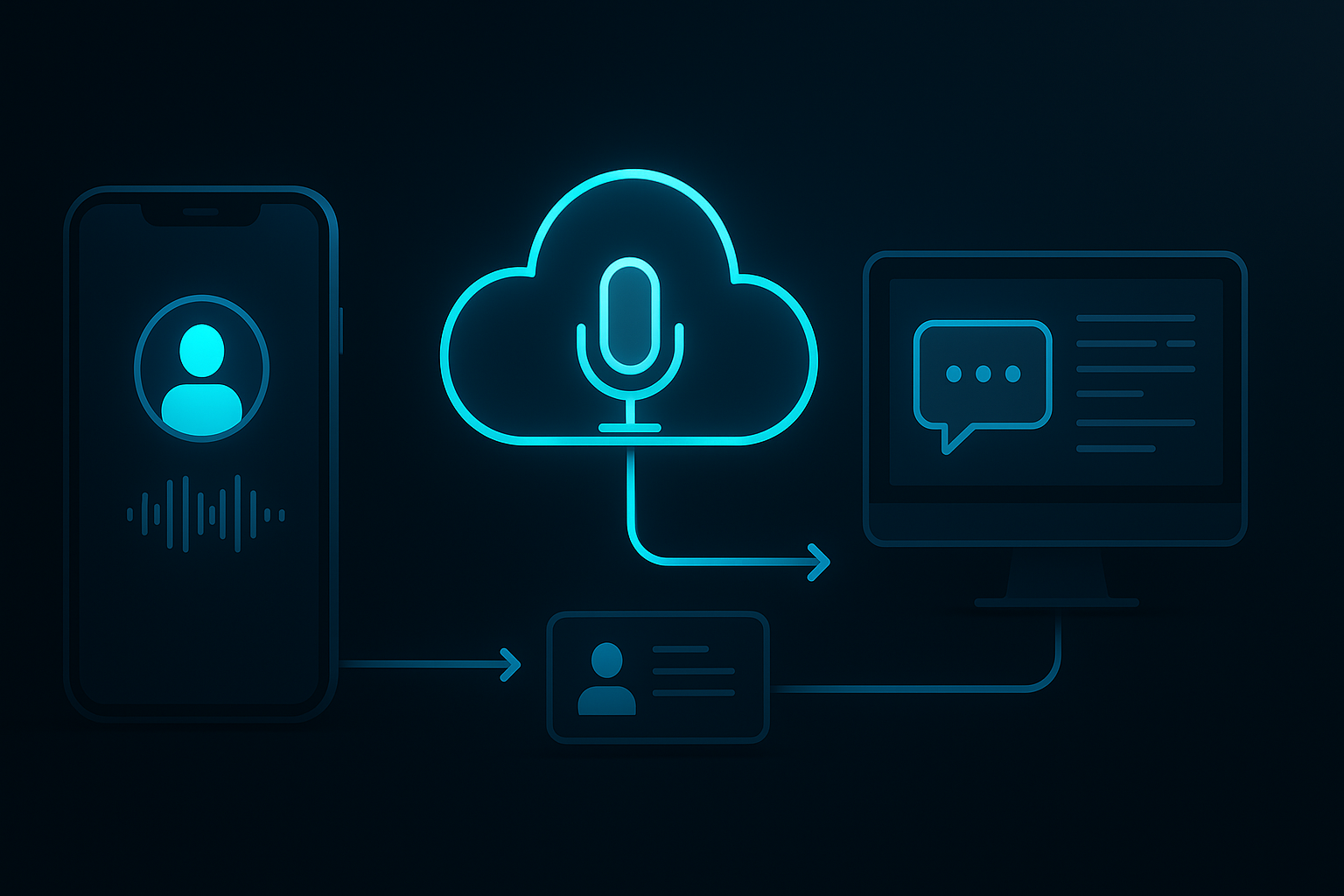
Latency in voice AI systems refers to the delay between a user's input and the system's response. In conversational AI, minimizing latency is crucial for maintaining a fluid, natural interaction, which is vital for user satisfaction and engagement.
As businesses increasingly adopt voice AI for customer interactions, understanding how to reduce latency becomes essential. This guide explores various techniques and the benefits of optimizing latency in voice AI systems.
Understanding the Causes of Latency
Several factors contribute to latency in voice AI systems, including:
- Network Delays: The time taken for data to travel between the user's device and the server.
- Processing Delays: The time required for the AI to process the input and generate a response.
- Audio Encoding/Decoding: The conversion of audio signals into digital data and vice versa.
- Algorithm Complexity: The complexity of AI models can impact the speed of processing.
By identifying these factors, businesses can target specific areas for improvement.
Techniques for Reducing Latency in Voice AI
Reducing latency involves a combination of network optimization, processing efficiency, and algorithmic improvements. Here are some effective techniques:
- Edge Computing: By processing data closer to the source, edge computing reduces the need for data to travel long distances, thereby minimizing network delays.
- Optimized Data Compression: Efficient encoding and decoding of audio signals can significantly reduce latency.
- Model Optimization: Simplifying AI models without compromising accuracy can enhance processing speed.
- Parallel Processing: Utilizing parallel processing techniques can allow multiple tasks to be handled simultaneously, reducing overall processing time.
- Caching Strategies: Implementing intelligent caching can help in storing frequently accessed data, reducing the need for repeated processing.
Each of these techniques can be tailored to fit specific business needs and infrastructure capabilities.
Leveraging Dialynx for Latency Reduction
Dialynx offers a comprehensive solution for AI-powered voice automation, focusing on reducing latency through:
- Advanced Network Infrastructure: Dialynx utilizes high-speed, reliable networks to ensure minimal data transfer delays.
- Efficient AI Models: The platform employs optimized algorithms that balance speed and accuracy, enhancing response times.
- Integrated Edge Computing: By processing data at the edge, Dialynx minimizes latency and improves real-time interaction quality.
- Scalable Solutions: Dialynx's architecture supports scalable deployments, ensuring consistent performance even with increased loads.
By integrating Dialynx, businesses can achieve significant improvements in voice AI performance, leading to better customer experiences.
Benefits of Reducing Latency in Voice AI
Reducing latency in voice AI systems offers numerous benefits, including:
- Enhanced User Experience: Faster response times lead to smoother, more natural interactions, improving user satisfaction.
- Increased Efficiency: Quick processing enables more interactions in less time, boosting overall system efficiency.
- Competitive Advantage: Businesses that offer superior voice AI experiences can differentiate themselves in the market.
- Higher Customer Retention: Positive user experiences often result in higher customer loyalty and retention rates.
Investing in latency reduction is not just about technology; it's about enhancing the overall business proposition.
Conclusion
Reducing latency in conversational voice AI systems is a strategic imperative for businesses aiming to deliver exceptional customer experiences. By implementing the techniques discussed and leveraging solutions like Dialynx, organizations can optimize their voice AI systems for speed and efficiency.
Ultimately, the goal is to create seamless, engaging interactions that satisfy users and drive business success.
Frequently Asked Questions
What is voice AI latency?
Voice AI latency refers to the delay between a user's spoken input and the system's response.
How does edge computing help reduce latency?
Edge computing processes data closer to the user, reducing the distance data must travel and thus minimizing latency.
Why is reducing latency important in voice AI?
Reducing latency is crucial for creating smooth, natural interactions, which enhance user satisfaction and engagement.
Can Dialynx help reduce latency in voice AI systems?
Yes, Dialynx offers advanced network infrastructure and optimized AI models that help reduce latency in voice AI systems.
Automate Your Phone Operations with Dialynx
Deploy custom AI inbound receptionists and outbound sales agents that sound human, qualify leads 24/7, and sync with your CRM.